14 Ways TikTok Changed Men’s Grooming Forever
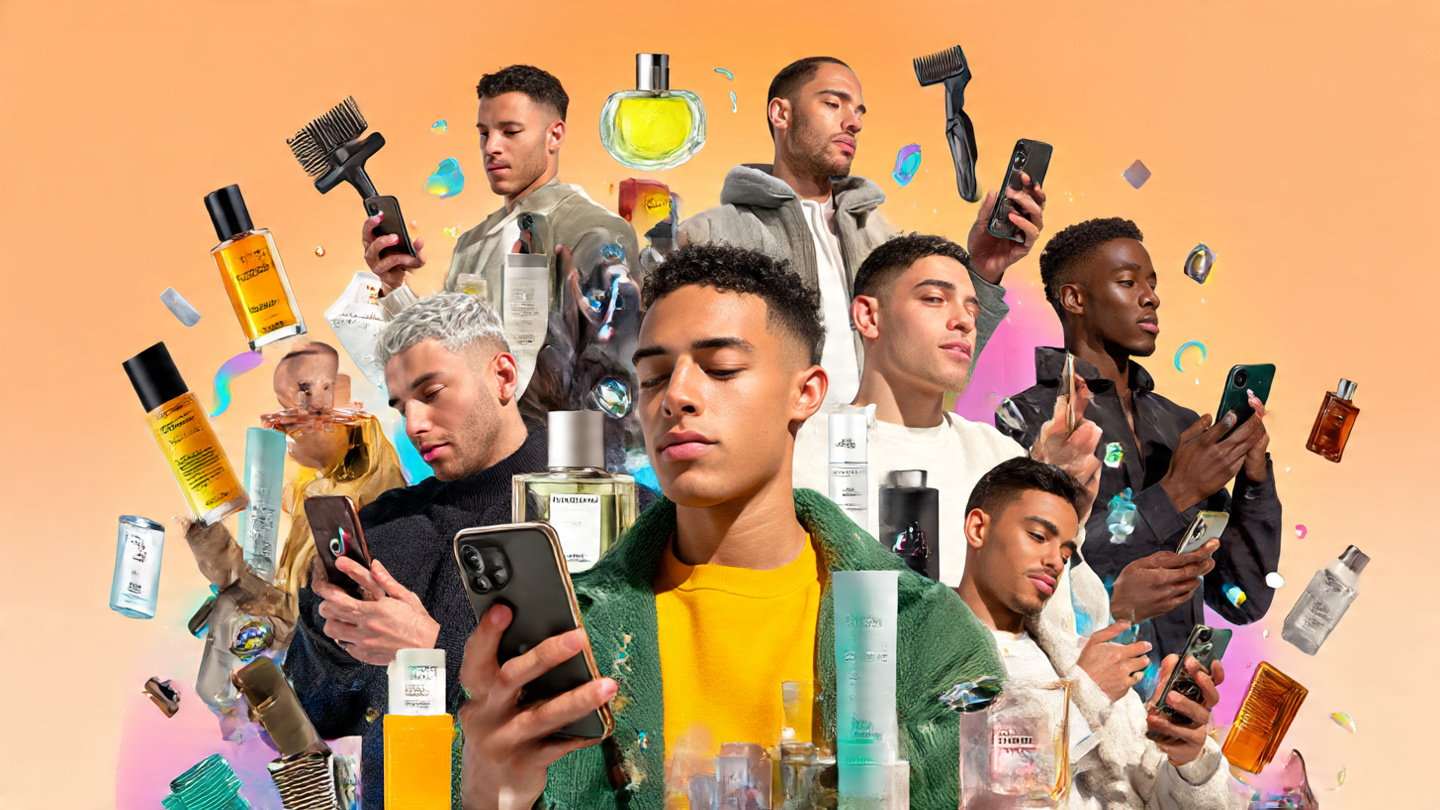
The world of men’s grooming has undergone a revolution, and TikTok is at the center of it. Gone are the days of quiet, private routines. The platform has transformed grooming into a vibrant, communal, and highly visual experience. It has democratized expertise, allowing barbers, dermatologists, and everyday users to share tips, trends, and transformative results directly with a global audience. This list explores the 14 ways TikTok changed men’s grooming core, TikTok has fundamentally reshaped how men approach self-care, from the products they buy to the very conversations they have about masculinity and appearance.
1. The Rise of “Skinimalism”:TikTok Changed Men’s Grooming

TikTok popularized the “skinimalism” trend, pushing men towards simpler, more effective skincare routines. Instead of overwhelming 10-step regimens, the focus shifted to quality over quantity. Videos showcasing a simple three-step process—cleanser, moisturizer, and sunscreen—garnered millions of views, making skincare feel accessible and less intimidating. This trend championed multitasking products and a back-to-basics philosophy, effectively breaking down the barrier that complex skincare was only for enthusiasts. It taught a generation of men that consistent, simple habits yield better results than a cabinet full of unused, complicated products.
The impact is a fundamental shift in mindset. Men are now more educated about their skin’s health, understanding ingredients like hyaluronic acid and niacinamide thanks to viral explainer videos. This knowledge empowers them to make smarter purchases, avoiding marketing gimmicks. The “less is more” approach, validated by dermatologists and creators on the platform, has led to a more sustainable and confident approach to grooming. Men are now investing in a few core products that truly work for them, leading to healthier skin and a more streamlined, cost-effective daily routine.
2. The “Glass Skin” Ambition for Men

TikTok shattered the gendered stereotype that dewy, hydrated, and flawless “glass skin” was exclusively a female beauty standard. Male creators began documenting their journeys to achieve this coveted complexion, normalizing the desire for radiant and healthy skin regardless of gender. These videos, often set to satisfying audio, showcased the transformative power of consistent hydration, gentle exfoliation, and strategic layering of lightweight products like toners and essences, making a once niche K-beauty goal a mainstream ambition for men everywhere.
This trend significantly boosted the sales of specific product categories like facial mists, serums, and illuminating primers in the men’s aisle. It reframed the conversation from “covering up” with heavy makeup to “caring for” the skin to enhance its natural health and glow. The pursuit of glass skin emphasized that grooming is about self-care and confidence, not just a quick fix. This represents a massive cultural shift, encouraging men to take pride in their skin’s texture and vitality, moving beyond a simple clean-shaven look.
3. At-Home Barbering Became a Thing

When barbershops closed during the pandemic, TikTok became the world’s largest barbering academy. Viral tutorials taught men how to fade their own hair, trim their beards, and even attempt complex designs from their bathrooms. Creators like “360Jeezy” broke down techniques into easy-to-follow steps, empowering millions to take grooming into their own hands. This led to a surge in sales for at-home clipper kits, detailers, and mirror setups, transforming a once-daunting task into an achievable and even enjoyable skill for the everyday man.
The legacy of this trend is a more self-sufficient and educated consumer. Even after barbershops reopened, many men continued to maintain their cuts between professional appointments, saving time and money. This also raised the bar for professional barbers, as clients now arrive with a better understanding of techniques and styles, often bringing TikTok videos as inspiration. The platform permanently blurred the line between professional and at-home grooming, fostering a deeper appreciation for the craft.
4. The “Get Ready With Me” (GRWM) Phenomenon

The “Get Ready With Me” format took off on TikTok, offering an intimate, real-time look into men’s grooming routines. These videos, often set to trending audio, are fast-paced, authentic, and highly engaging. They demystify the process, showing everything from skincare application to hairstyling and fragrance selection. Viewers get product recommendations, technique tips, and a sense of camaraderie, breaking the isolation that once surrounded men’s grooming. It transformed a private ritual into a shared, social experience.
This format is incredibly effective for product discovery and destigmatizing self-care. Seeing a relatable person talk through their choices builds trust far more than a traditional advertisement. GRWMs also showcase a diversity of styles, from minimalist to high-maintenance, proving there’s no single “right way” to groom. This has encouraged men to experiment and develop routines that truly reflect their personal style, making grooming an expressive and confident act rather than a mundane chore.
5. Viral Product Launches & The “TikTok Made Me Buy It” Effect

TikTok has become the ultimate product launchpad, capable of turning obscure items into overnight sold-out sensations. A single viral video from a trusted creator can generate millions of dollars in sales for a grooming brand. The “TikTok Made Me Buy It” hashtag is a testament to the platform’s immense purchasing influence. Whether it’s a revolutionary hair clay, a pore-vacuuming tool, or a budget-friendly moisturizer, the hype created by short, compelling demos and review series drives unprecedented consumer demand and immediate sold-out signs.
This has fundamentally shifted power from corporate marketing departments to authentic creators and communities. Brands now actively court TikTok fame, knowing it can make or break a product. For consumers, it creates a sense of being part of a trend, but it also demands discernment. The sheer volume of viral “must-haves” has made men more experimental but also more critical, looking for genuine results and peer validation before adding another product to their cart.
6. Normalizing Male Makeup & Concealer

TikTok played a pivotal role in normalizing the use of makeup for men, dismantling outdated gender norms. Male creators openly use and review concealer to cover dark circles, blemish sticks to hide spots, and even bronzer to add definition to their faces. These videos frame makeup not as a tool of deception, but as a practical form of self-care and enhancement—no different than using a good hairstyling product. The message is clear: looking tired or wanting to cover a flaw is a universal experience, and the solution should be available to everyone.
This has led to a boom in the “men’s makeup” category, with brands launching subtle, easy-to-use products like tinted moisturizers and makeup sticks marketed specifically to a male audience. The stigma has been significantly reduced, encouraging men to explore cosmetics without shame. TikTok has successfully reframed makeup as a tool for confidence, allowing men to present their best selves to the world on their own terms.
7. The Return of the “Slicked-Back” Hair

The classic slicked-back undercut and medium-length hairstyles made a massive comeback, largely fueled by trends like the “Mob Wife” aesthetic and characters from shows like “Succession.” TikTok tutorials provided the essential “how-to,” teaching men the precise combination of blow-drying, pomade, and hair gel needed to achieve that perfect, polished yet natural-looking hold. The platform turned a classic barbershop style into an accessible, daily look for millions, emphasizing texture and volume over a rigid, helmet-like finish.
This trend also drove specific product innovation and sales. Demand for high-hold, low-shine pomades, sea salt sprays, and strong-hold hair gels skyrocketed. The tutorial format allowed men to see the exact application techniques—like applying product to damp vs. dry hair—that make the difference between a greasy mess and a sleek, modern style. It proved that TikTok has the power to not only revive retro trends but also to refine them for a contemporary audience.
8. The “Strawberry Girl” Skincare Crossover

When the “Strawberry Girl” makeup trend—focused on glowy, pink-toned, flushed skin—went viral for women, it unexpectedly crossed over into men’s grooming. Male creators adapted the trend, focusing on the skincare prep that creates a healthy, dewy base. This meant a new emphasis on chemical exfoliants (like AHAs) to smooth skin, hydrating serums for a plump effect, and lip masks for a polished look. It demonstrated that grooming trends are no longer gendered and that the goal of looking healthy and vibrant is universal.
This crossover highlights TikTok’s role as a cultural blender, where aesthetics flow freely between traditionally male and female audiences. It encouraged men to pay more attention to their skin’s texture and overall radiance, moving beyond just treating acne or oiliness. By adopting parts of this trend, men expanded their definition of grooming to include achieving a healthy, “lit-from-within” glow, further merging skincare with overall aesthetic presentation.
9. Fragrance Tok: The Science of Scent

TikTok created a massive community of fragrance enthusiasts, known as “Fragrance Tok.” Here, scent is discussed with the passion and detail once reserved for wine connoisseurs. Creators review and categorize perfumes and colognes into “vibes” or situations—”office safe,” “date night panty-dropper,” “clean girl aesthetic.” They explain scent pyramids, sillage, and longevity, educating viewers on how to build a fragrance wardrobe. This has transformed fragrance from a simple deodorizing spray into a key component of personal identity and style.
The impact on the industry has been profound. Niche and designer houses alike have seen certain fragrances sell out after a single viral video. Men are now more likely to invest in multiple fragrances for different occasions and to appreciate the artistry behind them. This deep dive into olfaction has made men more intentional and knowledgeable about how they smell, understanding scent as a powerful, invisible accessory.
10. The “No-Nonsense” Barber Review

A new genre of barber content emerged: the brutally honest review. Barbers on TikTok dissect celebrity red carpet looks, critique user-submitted haircut photos, and explain what went wrong and how to fix it. This transparent approach demystifies barbering and empowers clients with knowledge. It holds both professionals and clients accountable, educating viewers on proper terminology, realistic expectations, and how to communicate better with their own barber for superior results.
This has raised the standard for the industry. Clients now walk in with a better understanding of what suits their face shape and hair type, leading to more collaborative and successful appointments. It has also created a new wave of celebrity barbers who are respected for their expertise and no-filter opinions. For the everyday man, it means learning how to avoid a bad haircut and ensuring they always get a style that truly works for them.
11. The Boom in Grooming Gadgets & Tools

TikTok turned grooming gadgets into coveted objects of desire. From LED light therapy masks and microcurrent devices to high-tech hair sculpting brushes and advanced electric nose trimmers, these tools became viral sensations. Satisfying demonstration videos showcase their immediate results, making a compelling case for their value. This shifted men’s grooming beyond just creams and potions into the realm of tech-driven beauty, appealing to a audience that values innovation and visible, measurable outcomes.
The “trying it for you” video format mitigates the risk of purchasing these often-expensive items. Viewers can see the gadget in action on a real person before buying. This has normalized at-home beauty tech, once seen as a luxury or a female-centric product. Men are now more open to investing in tools that promise long-term benefits like reduced wrinkles, tighter skin, or perfectly styled hair with less effort, signifying a broader acceptance of tech-aided self-care.
12. Focus on Scalp Care & Hair Health

Moving beyond just hairstyling, TikTok placed a major spotlight on scalp health as the foundation for great hair. Videos on treating dandruff, product buildup, and dryness with scalp scrubs, serums, and massaging brushes went viral. Dermatologists and trichologists gained massive followings by explaining conditions like seborrheic dermatitis and folliculitis, making complex scalp issues understandable and treatable for the average person. The message was clear: a healthy scalp is the first step to healthy hair.
This led to a surge in the “scalp care” product category. Men began incorporating pre-shampoo treatments and exfoliating scrubs into their routines. The trend emphasized that grooming is as much about health as it is about aesthetics. By addressing the root cause of hair concerns (like thinning or oiliness) at the scalp level, men are adopting a more holistic and effective approach to hair care, ensuring their hair looks good from the follicle out.
13. Body Care Became Mainstream

TikTok broke the final taboo by making comprehensive body care a standard part of men’s grooming conversations. Routines now regularly include body exfoliation with scrubs or mitts, post-shower moisturizing with lotions and butters, and detailed shaving or grooming of body hair. Creators openly discuss combating “bacne” (back acne), ingrown hairs, and “chicken skin” (Keratosis Pilaris), presenting solutions and normalizing these common issues. This expanded the definition of grooming far beyond the face.
This trend has been hugely destigmatizing. Men are now purchasing products like chemical exfoliant toners for their backs and hydrating body oils without embarrassment. It promotes the idea that taking care of your entire body is a form of self-respect. This holistic view of grooming encourages men to feel confident and comfortable in their own skin from head to toe, representing a significant and positive shift in male self-care culture.
14. The Democratization of Grooming Expertise

Perhaps the most profound change is TikTok’s democratization of expertise. You no longer need to be a celebrity stylist to have a voice. Barbers, estheticians, and dermatologists share their knowledge for free, while everyday users post their genuine successes and failures. This creates a vast, accessible library of information that is more relatable and trustworthy than traditional advertising. A 60-second video can teach a man more about his skin type than he might learn in a lifetime of reading product labels alone.
This has created a more empowered and critical consumer. Men can easily research ingredients, compare products, and learn techniques from multiple sources before making a purchase. It has broken down the corporate gatekeeping of beauty secrets and fostered a global community of shared learning. TikTok has ultimately given men the tools and confidence to take complete control of their grooming journey, making it more informed, personalized, and effective than ever before.