
14 Beard Styles for Weak Jawlines That Add Definition

Your beard is more than just facial hair—it’s your most powerful tool for sculpting and defining your profile. For those wanting to enhance a softer or less prominent jawline, the right beard style can work wonders, creating the sharp, masculine angles you desire. This guide is your ultimate inspiration, showcasing 14 expertly chosen beard styles for weak jawlines designed to add structure, strength, and definition right where you need it. Discover how to strategically use grooming to build a stronger jawline, boost your confidence, and completely transform your look. Get ready to pin your way to a more chiseled you.
1. The Corporate Beard
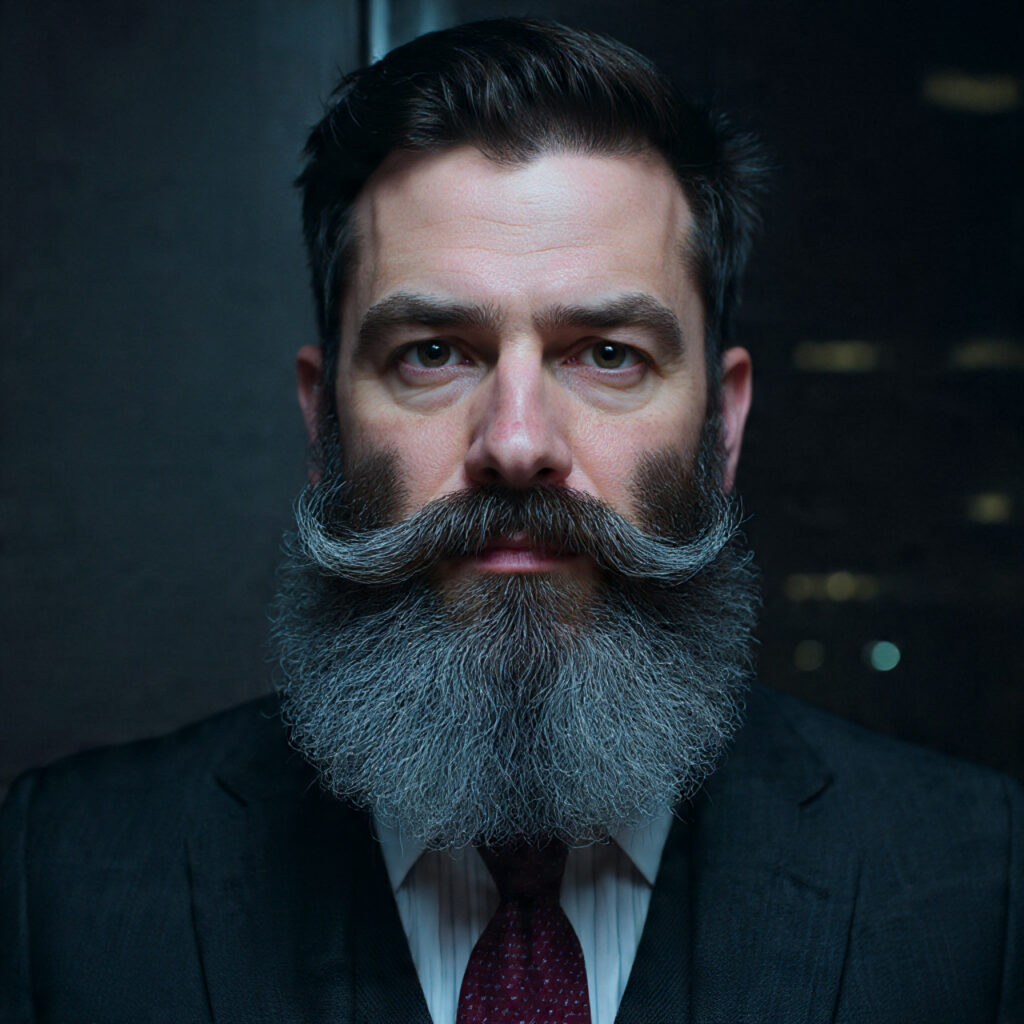
The Corporate Beard is your ultimate tool for crafting a strong, masculine silhouette. This style involves growing your beard to a medium, well-groomed length that follows your jawline but extends just beyond its natural edge. The goal is to create a clean, sharp line from your sideburns to your chin, effectively building a new, more defined jawline with hair. It’s a powerful yet professional look that commands respect in any boardroom while subtly enhancing your facial structure. Keep the neckline impeccably clean to maintain the illusion of a sharp, natural angle.
To master this style, consistency is key. Use a quality trimmer with a guard to maintain an even length, typically between 10-15mm, ensuring fullness without bulk. The magic lies in the definition; use a precision trimmer or razor to create a stark contrast between your sharp cheek and necklines and the dense beard. This crisp boundary tricks the eye, making the beard itself appear as your jaw. Complement it with a neatly trimmed mustache to balance the look. This style doesn’t just suggest confidence—it constructs it, frame by frame.
2. The Anchor Beard
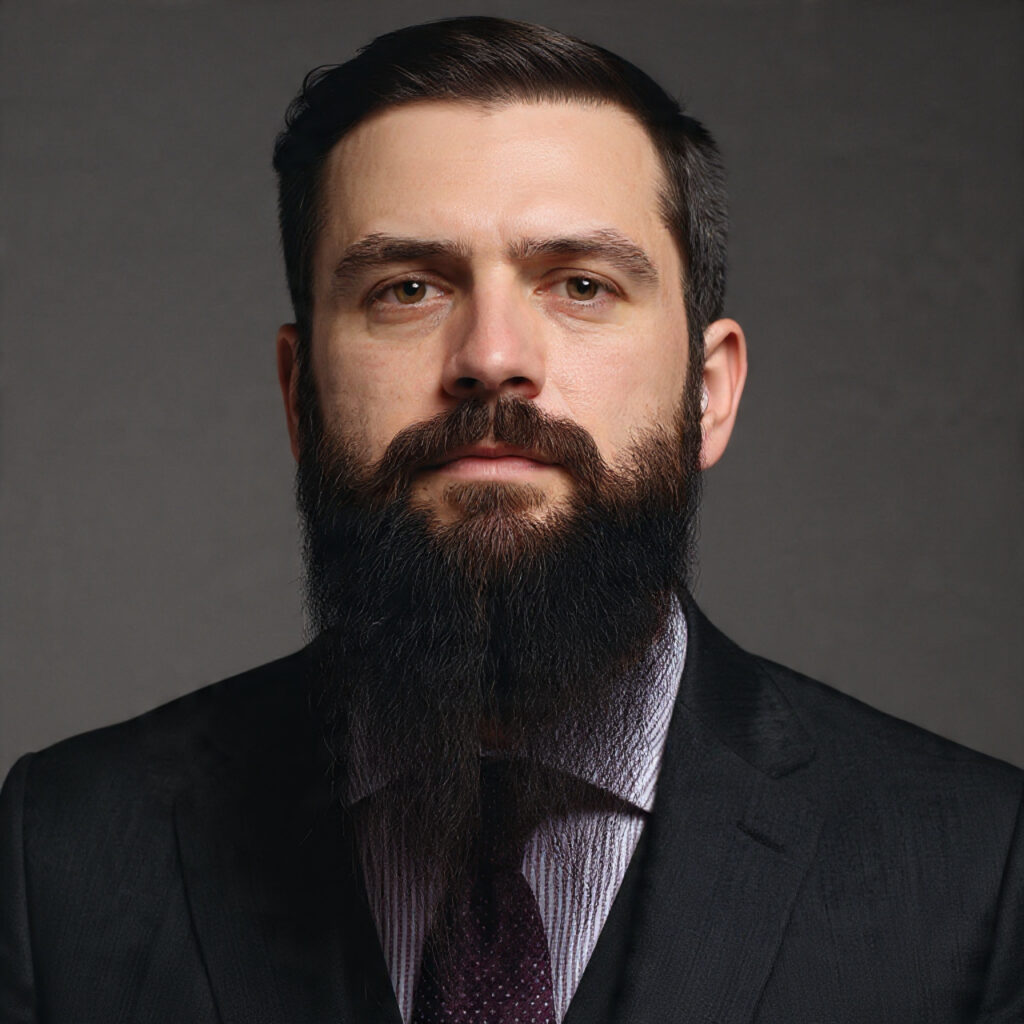
The Anchor Beard is a strategic masterpiece for defining the lower face. It closely follows the jawline and curves around the mouth, resembling a ship’s anchor, which draws attention to the chin and creates a pronounced, tapered point. This style is exceptional because it uses hair to visually connect the mustache to the goatee and soul patch, forming a cohesive shape that emphasizes the center of your face. It’s a bold, stylish choice that adds significant definition and a touch of classic masculinity, perfect for those who want a look with character and intention.
When grooming the Anchor, the chin is your focal point. Allow the hair on your chin to grow slightly longer and be trimmed into a distinct, rounded, or slightly squared point. The areas along the jaw should be kept shorter, gradually tapering towards the sideburns. This creates a shadow-like effect that contours the face. Because it’s a more sculpted look, it requires daily maintenance with a detail trimmer to keep its sharp lines. Pair it with clean-shaven cheeks to maximize the defining effect, making your chin the undeniable center of attention.
3. The Short Boxed Beard
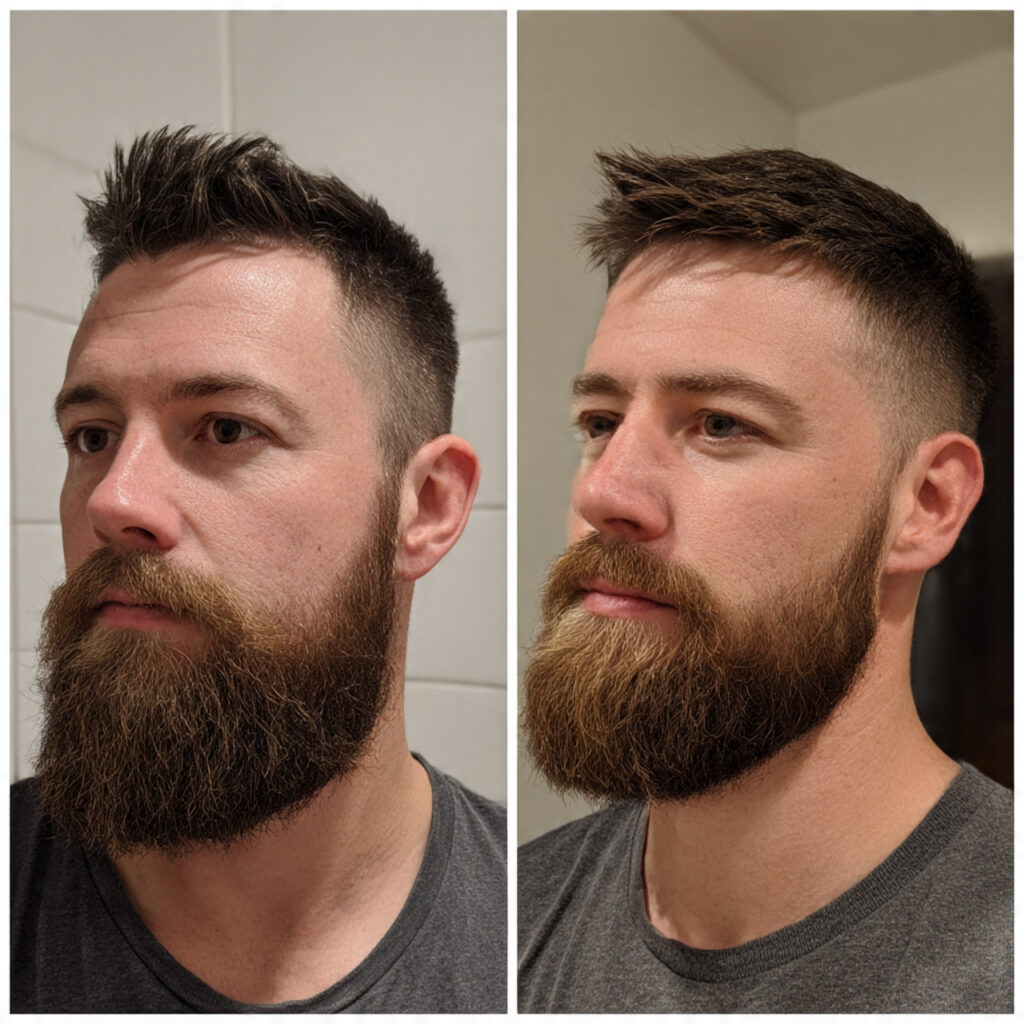
The Short Boxed Beard is a cornerstone of masculine grooming, offering a perfect balance of ruggedness and refinement. This style features a full beard that is trimmed to a uniform, short length with sharply defined, angular edges at the cheeks and jaw. By creating a clean, horizontal line under the jaw, it effectively builds a stronger, more squared-off jawline. It’s an ideal choice for men with weaker jawlines because it adds structure and volume without the weight of a long beard, providing a clean, modern, and intentionally sculpted appearance.
Achieving this look requires meticulous edging. The sides should be kept tight to the face to avoid a round, puffy look, while the hair under the jaw is left slightly fuller to create the desired boxed effect. Use a trimmer without a guard or on a low setting to define the cheek line and create a sharp 90-degree angle where your sideburns meet your jaw. The neckline should be shaved with a crisp horizontal line to reinforce the strong jaw illusion. This beard is a testament to the power of sharp lines and consistent grooming.
4. The Ducktail Beard(Beard Styles for Weak Jawlines)
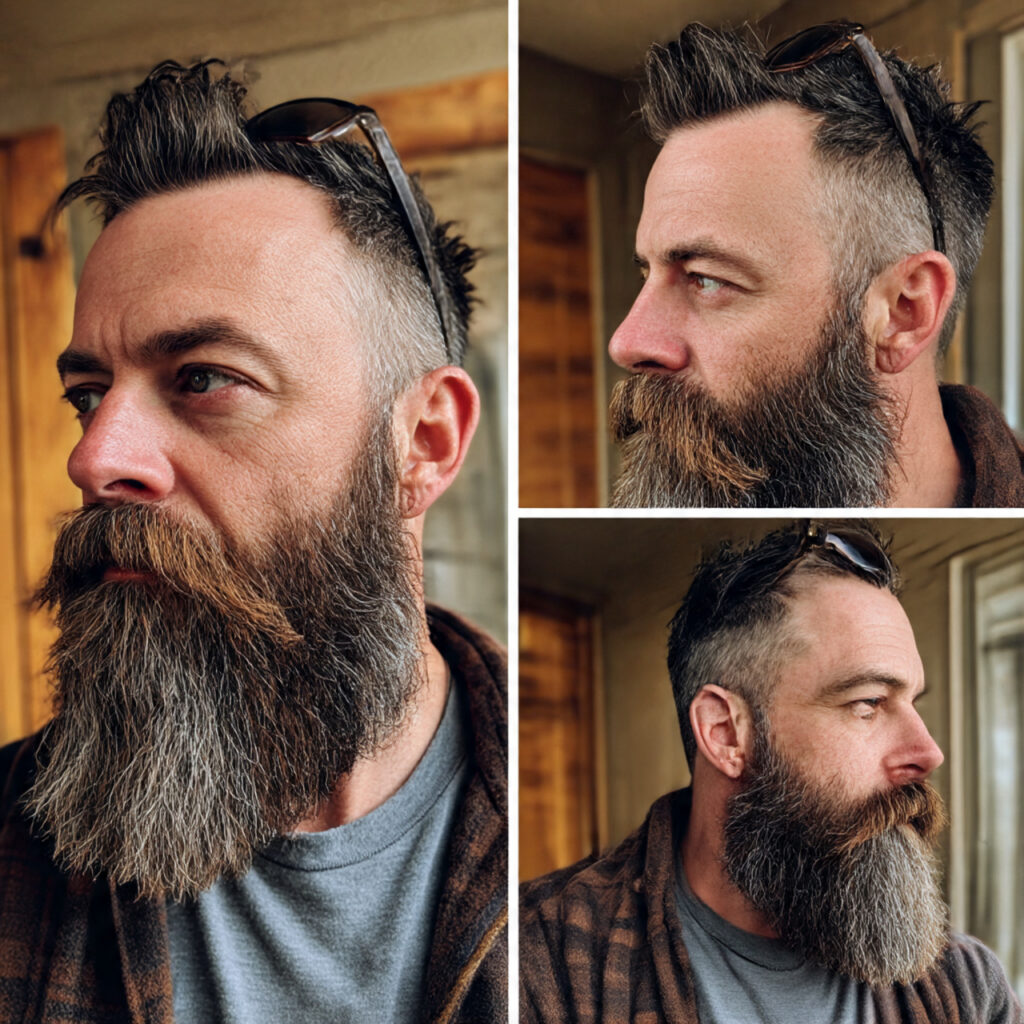
The Ducktail Beard combines the fullness of a long beard with strategic shaping to enhance your jawline. It is characterized by its distinctive shape where the beard is wider at the jaw and tapers to a point at the chin, resembling a duck’s tail. This style is incredibly effective because it adds width and angularity at the crucial point of the jaw before narrowing down, creating a V-shaped face structure. It draws the eye downward along this strong, tapered path, making the jaw appear more prominent and defined than it naturally is.
To perfect the Ducktail, let your beard grow out for several weeks to achieve sufficient length. The key is to trim the sides slightly shorter than the center, allowing the chin area to form the central point. Use beard balm and a brush to train the hair to grow downward and inward toward the chin. Regular maintenance is essential to prevent the look from becoming unkempt; carefully sculpt the tapered point with scissors or a trimmer. This style offers a dynamic and powerful silhouette that is both classic and commanding.
5. The Verdi Beard
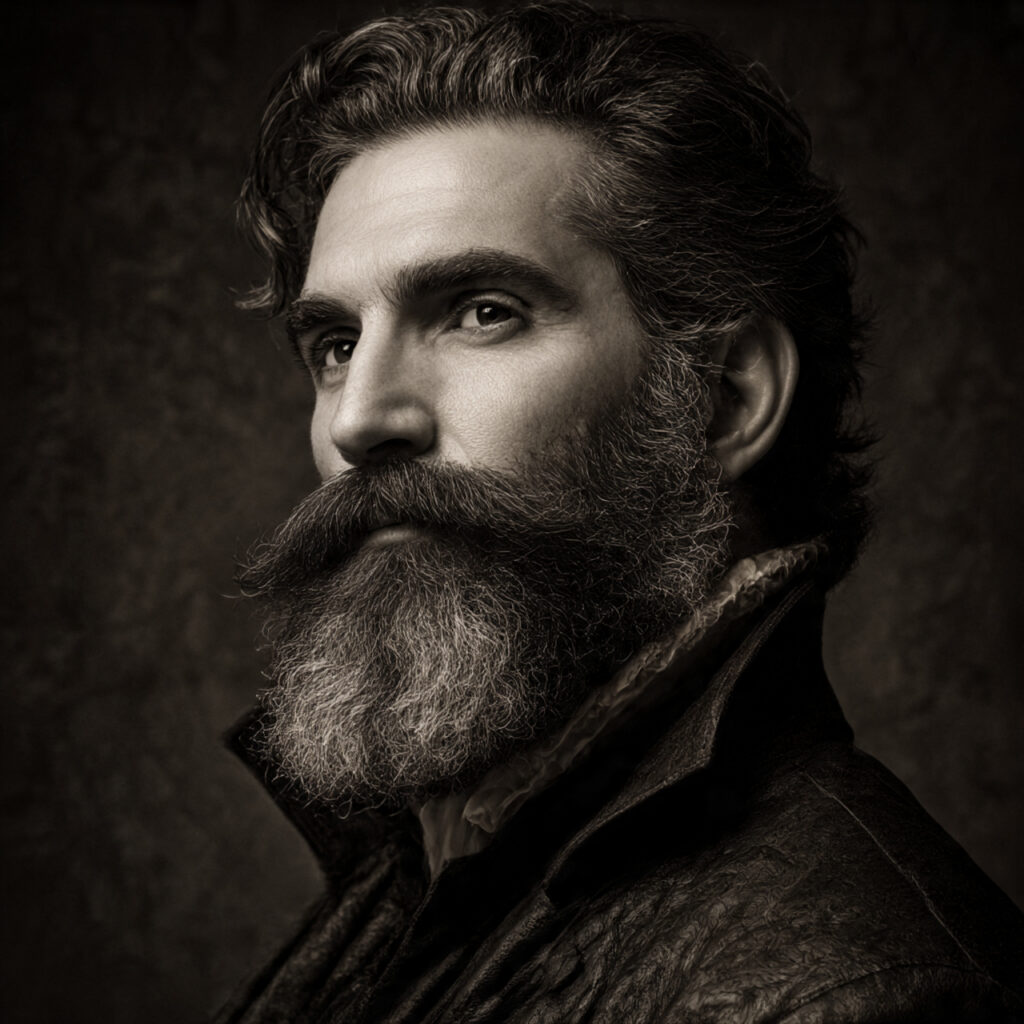
The Verdi Beard is a timeless, operatic style that offers both sophistication and structure. It features a rounded, medium-length beard paired with a distinct, styled mustache. The brilliance of the Verdi for a weak jawline lies in its rounded bottom, which creates a full, solid base for the lower face. This fullness adds mass and shape right where it’s needed, effectively building a new jawline. Meanwhile, the prominent mustache draws the eyes horizontally, balancing the added volume below and creating a harmonious, strong facial frame.
Focus on maintaining a defined, but not sharp, curved line along the bottom of the beard. The length should be enough to create a full, rounded shape without looking like a circle. The mustache is non-negotiable—it should be kept neat but full, often with slightly curled tips. Use beard oil to keep the hair manageable and a round brush when blow-drying to achieve the perfect curve. The Verdi is a statement of confidence, proving that a softer line can project immense strength and character.
6. The Balbo Beard
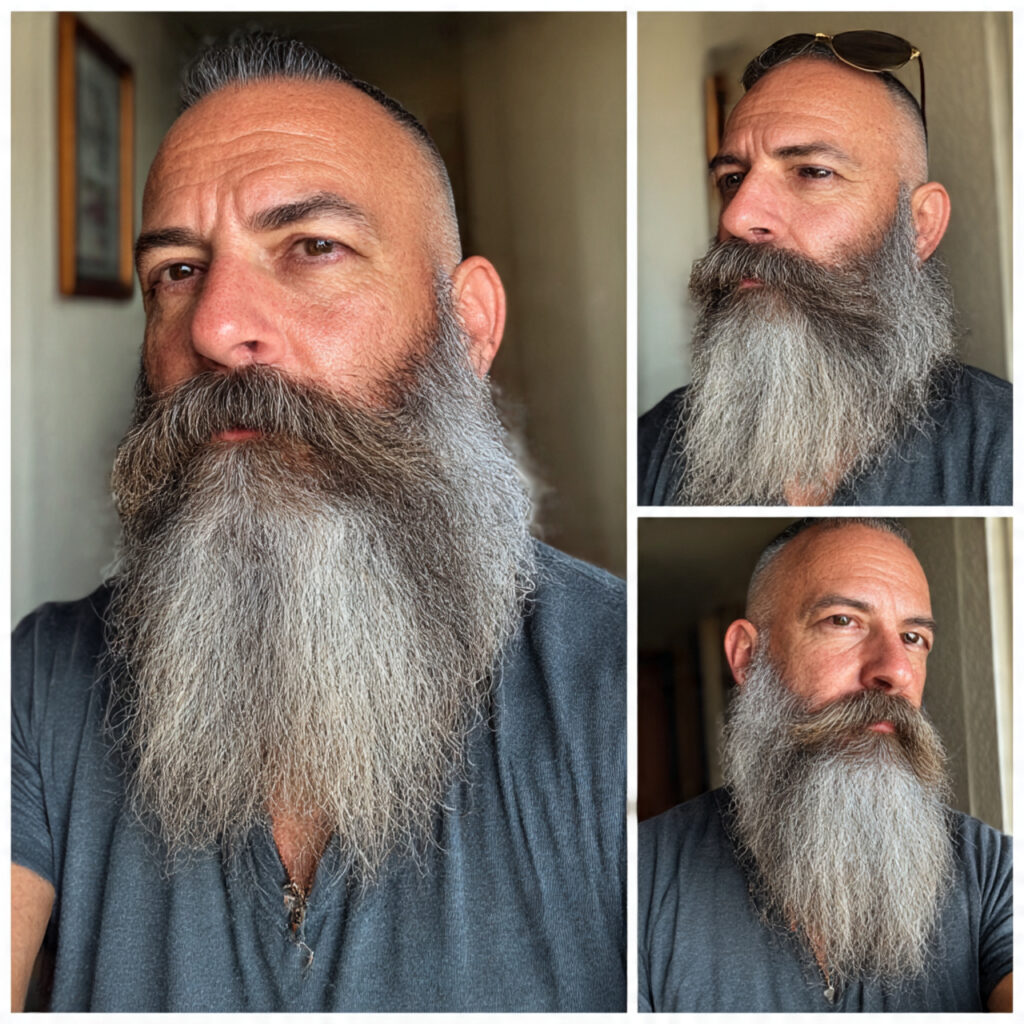
The Balbo Beard is a sophisticated, disconnected style that excels at creating definition without a full beard. It consists of a floating mustache connected to a shaped goatee that extends along the jawline, but the cheeks are shaven. This design is a masterclass in optical illusion; the hair is strategically placed to outline the chin and jaw, creating a sharp, angular shadow that mimics a strong bone structure. It’s a fantastic choice for men who can’t grow full cheek hair, as it uses what you have to maximum effect.
Precision is everything with the Balbo. The goatee section should be wide enough to cover the chin and extend back along the jaw, tapering off before the ears. The “anchor” point under the lower lip is crucial for the style’s definition. Keep the mustache separate but well-groomed. Because the look relies on negative space, the edges must be razor-sharp. A daily shave of the cheeks and neck is required to maintain the stark contrast that makes this beard so effective at sculpting the face.
7. The Goatee with Soul Patch
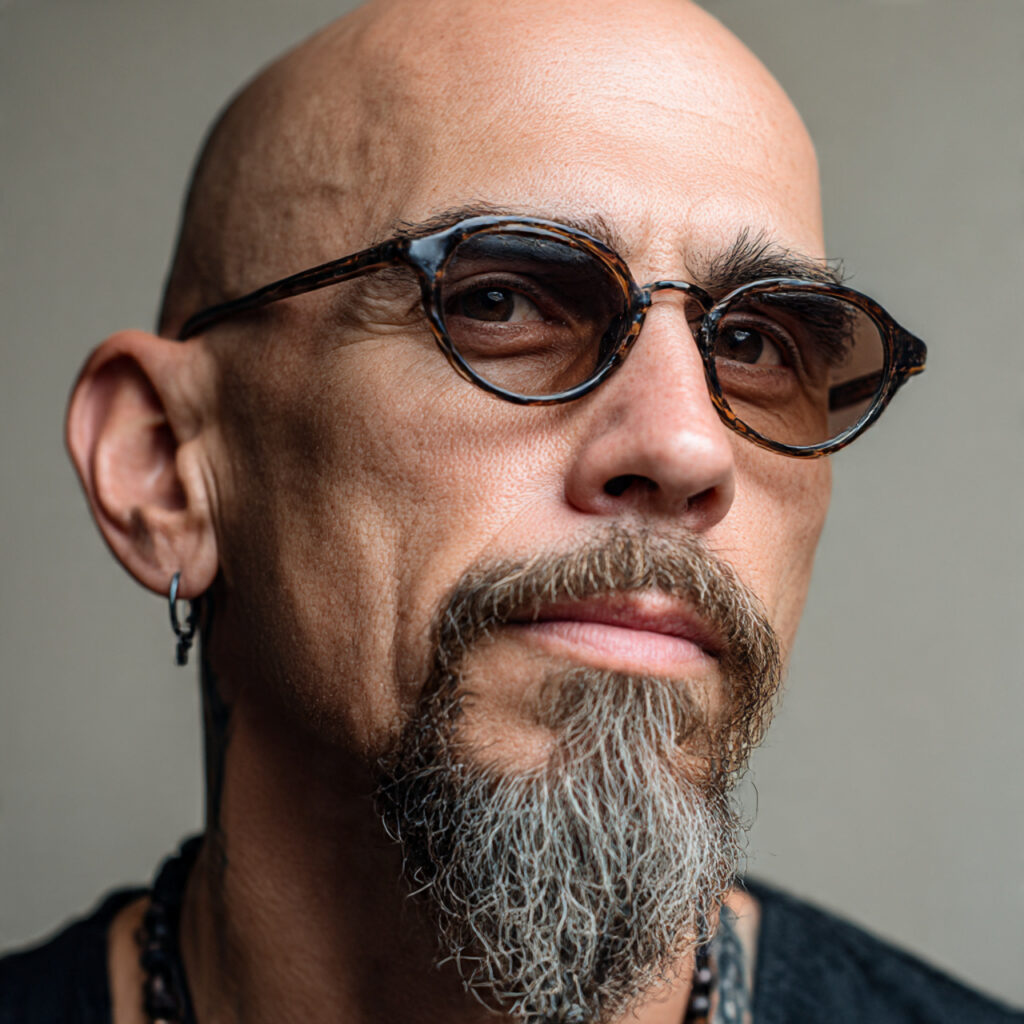
A classic Goatee with a Soul Patch is a minimalist’s solution for adding definition to the chin. By concentrating hair specifically on the chin, this style immediately draws the eye to the center of your face, creating a focal point of strength. The soul patch adds a vertical element that elongates the chin, making it appear more prominent and pulling the entire lower face into a sharper, more defined shape. It’s a sharp, modern look that works wonders for rounding out a weak jawline by providing a central anchor of visual weight.
The success of this style hinges on its shape and crisp lines. The goatee should be trimmed to a neat, rounded or slightly squared shape that complements your face. The soul patch should be a clean, distinct rectangle directly under the lower lip. Shave the cheeks and the rest of the jawline completely smooth to ensure all attention is on the chin. This high-contrast look is low-maintenance in terms of hair growth but requires frequent edging to keep its defining lines sharp and intentional.
8. The Stubble Beard
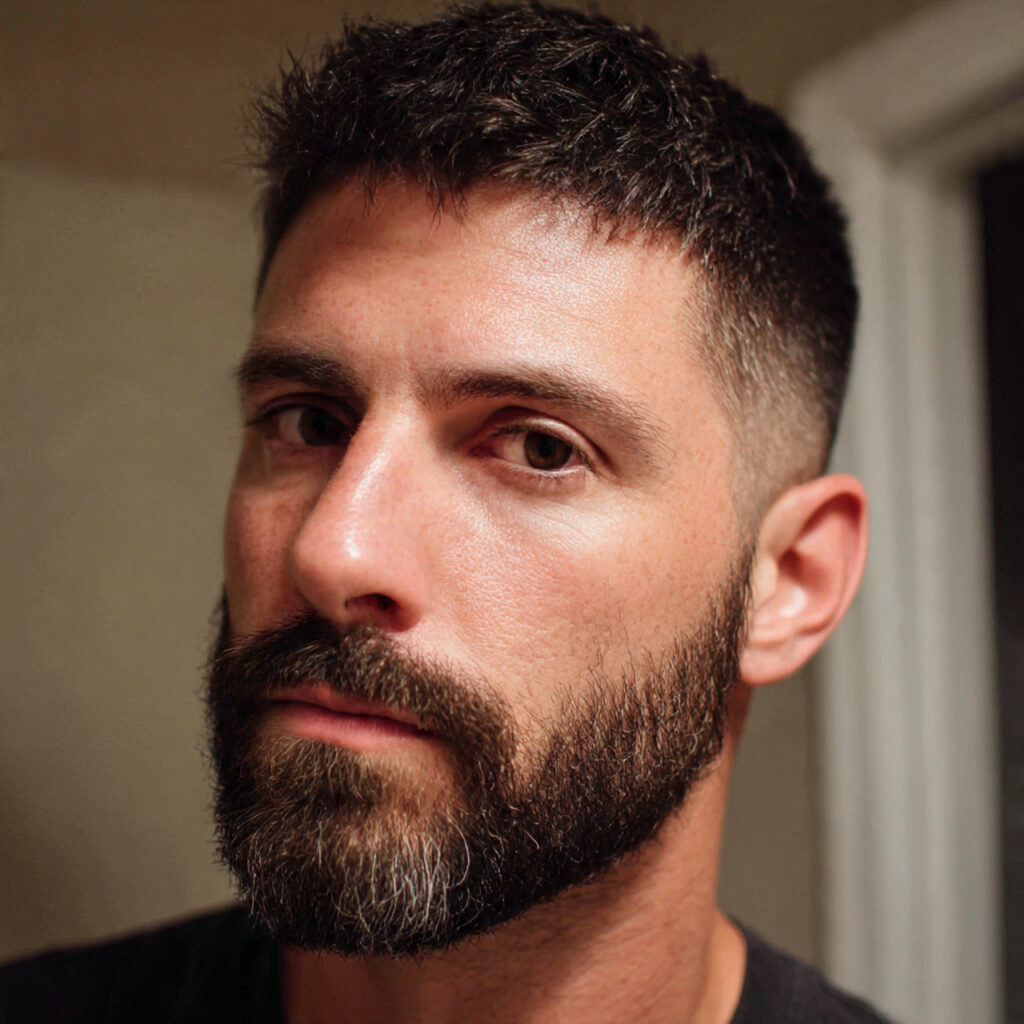
Don’t underestimate the power of strategic stubble. A evenly trimmed stubble beard can work like contouring makeup, creating shadows that add depth and dimension to the lower face. For a weak jawline, the goal is to maintain a uniform length that covers the skin but is short enough to look intentional. This shadow creates a consistent, masculine texture that helps obscure the exact line of the jaw, making it appear fuller and more robust. It’s the perfect “effortlessly cool” style that requires minimal upkeep for maximum impact.
To use stubble for definition, set your trimmer to a short guard (around 1-3mm) and go over your entire beard area evenly. The most important step is to define a sharp neckline. A clean, horizontal neckline just above the Adam’s apple creates a strong base, making the stubble above it look like a defined jaw. Avoid any fading techniques; a clear boundary between stubble and smooth skin is what builds the structure. This style is ideal for those seeking a rugged, low-fuss solution that enhances their features daily.
9. The Van Dyke Beard

The Van Dyke Beard is a dramatic and artistic style, perfect for making a bold statement. It combines a detached, pointed goatee with a complementary mustache, often with curled ends. This style is incredibly effective for weak jawlines because it isolates the chin, making it the star of the show. The pointed goatee elongates the chin vertically, creating a stronger, more defined profile. The disconnected nature of the style forces the eye to focus on this crafted central point, completely redefining the perception of your jawline.
Achieving the Van Dyke requires a willingness to stand out. The goatee should be trimmed into a distinct, sharp point. The mustache is kept separate and is often styled with upwardly curved tips for added flair. The cheeks and sides of the jaw are completely shaven, creating a stark visual contrast that highlights the goatee. This style is all about precision and personality. Use a detail trimmer to maintain the sharp point of the goatee and the clean lines of the mustache, ensuring your crafted definition remains the center of attention.
10. The Circle Beard
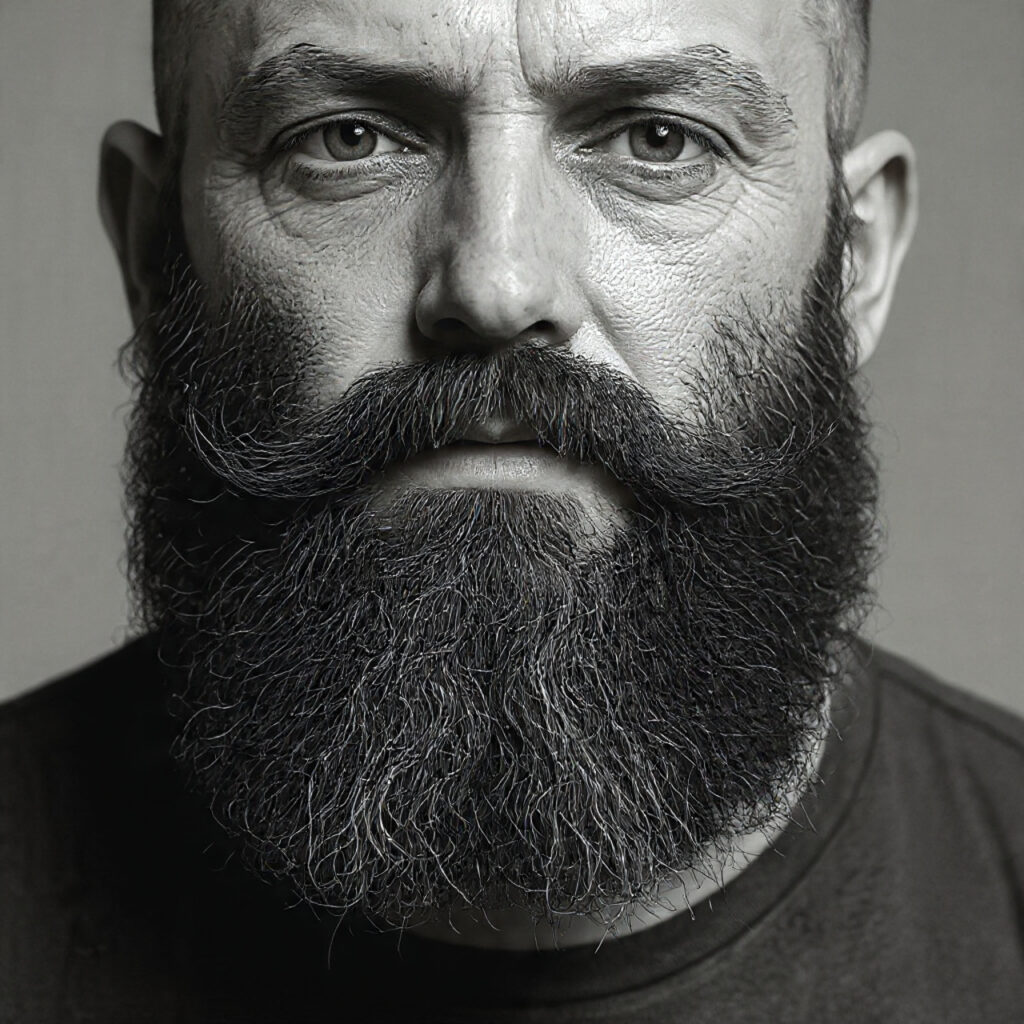
The Circle Beard, or classic goatee, is a universally flattering and professional style that offers excellent definition. It seamlessly connects a mustache with a rounded goatee, forming a continuous circle of hair around the mouth. This unified shape creates a strong, cohesive focal point on the lower half of the face, drawing attention away from a less-defined jawline. The rounded bottom adds substance and shape to the chin, providing a solid foundation that makes the entire face appear more balanced and structured.
Grooming a Circle Beard is about creating a smooth, uniform oval shape. The hair on the chin should be trimmed to form a gentle curve, avoiding any sharp corners. The connection between the mustache and the goatee should be seamless, with no bulky patches. Keep the lines crisp where the beard meets the cheeks, but the overall effect should be soft and rounded. This style is perfect for the man who wants a clean, approachable look that consistently enhances his facial structure with minimal daily effort.
11. The Garibaldi Beard
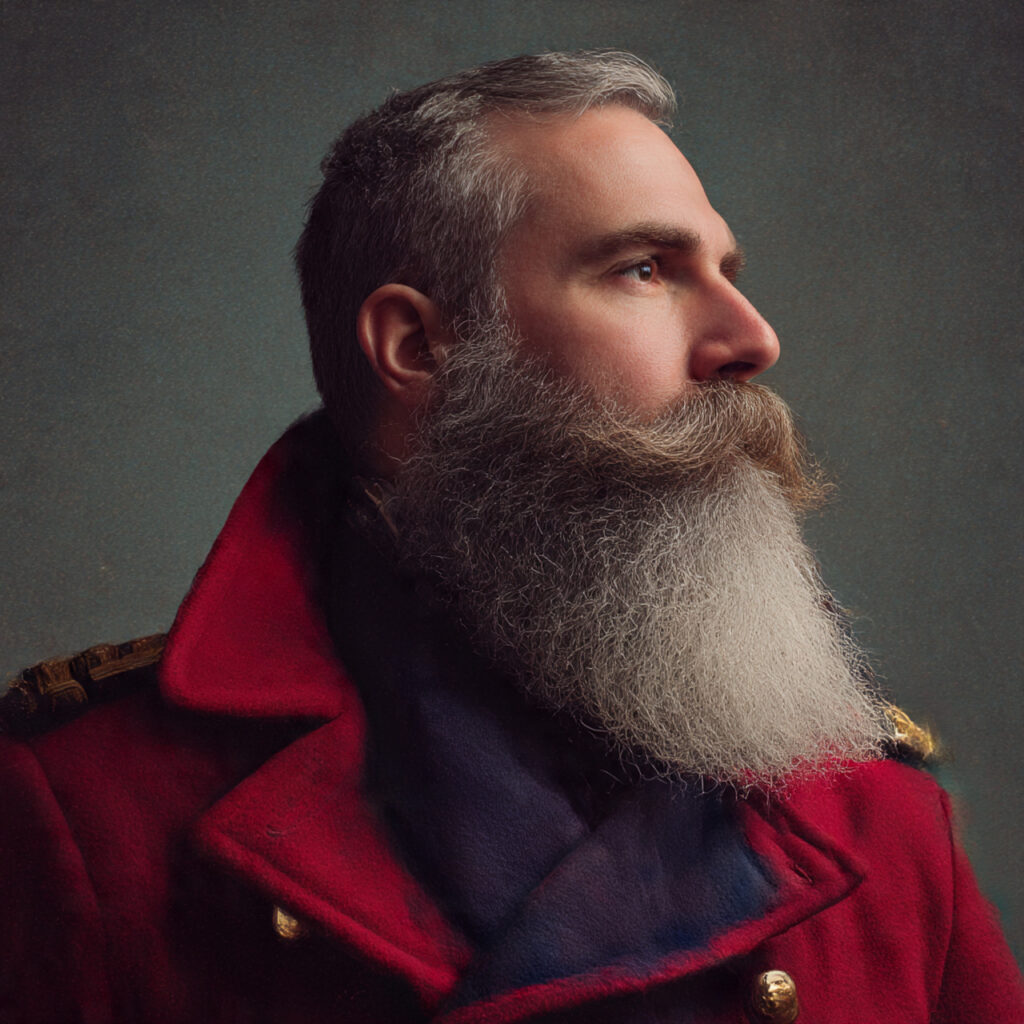
The Garibaldi Beard is a bold, wide, and rounded beard that makes a powerful statement. It’s characterized by its substantial fullness and a wide, rounded bottom. For a weak jawline, this beard acts as a complete replacement, building a new, broad, and masculine jawline from hair. The width it adds to the lower third of the face creates a balanced, triangular silhouette that exudes strength and confidence. It’s a look for the patient man, as it requires significant growth, but the payoff is a naturally powerful and defining shape.
While the Garibaldi is full, it is not untamed. The sides are left to grow wide, and the bottom is hand-trimmed to maintain a distinct, rounded shape—avoiding a scraggly, unkempt appearance. The mustache is integrated but can be trimmed slightly to not interfere with the mouth. Use beard balm regularly to keep the thick hair conditioned and to minimize flyaways. This beard is a commitment, but it rewards you with a look that is both rugged and royally defining.
12. The Extended Goatee
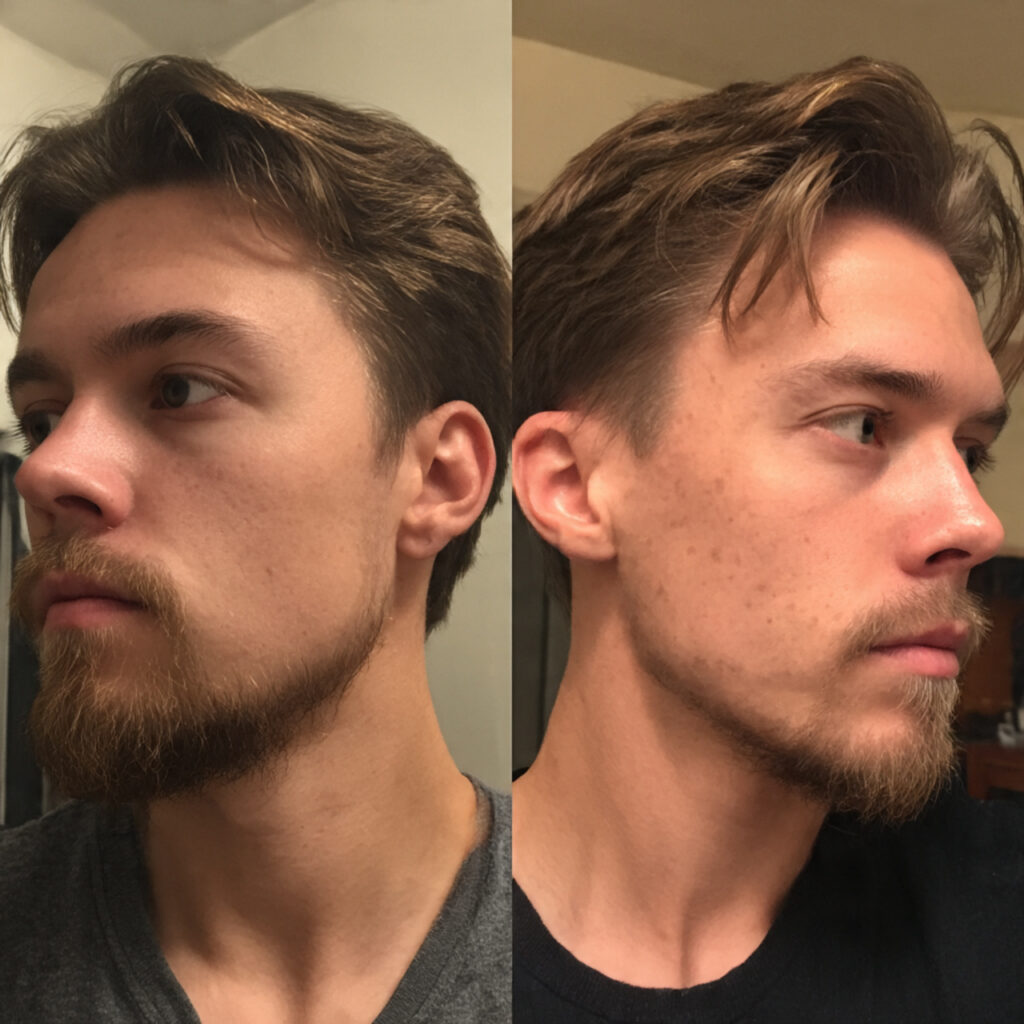
The Extended Goatee, or “Hollywoodian,” takes the concept of a goatee and expands its influence. It includes a mustache and a goatee that extends back along the jawline towards the ears, but without fully connecting into sideburns. This style is a strategic hybrid, offering the focused definition of a goatee with the jaw-widening effect of a beard. The hair running along the jaw creates a shadow that visually strengthens and widens the jawline, while the chin remains the central point of focus for a tapered, defined effect.
To create this style, allow your goatee to grow naturally back along your jaw. The key is to trim it so it gradually tapers in length as it moves toward the ears, creating a fading effect that blends into the shaven skin. The chin area should be the fullest part. Maintaining a clean shave on the cheeks and upper neck is crucial to keep the lines of the extended goatee sharp and intentional. It’s a sophisticated look that gives you the best of both worlds: precision and power.
13. The Strap Beard
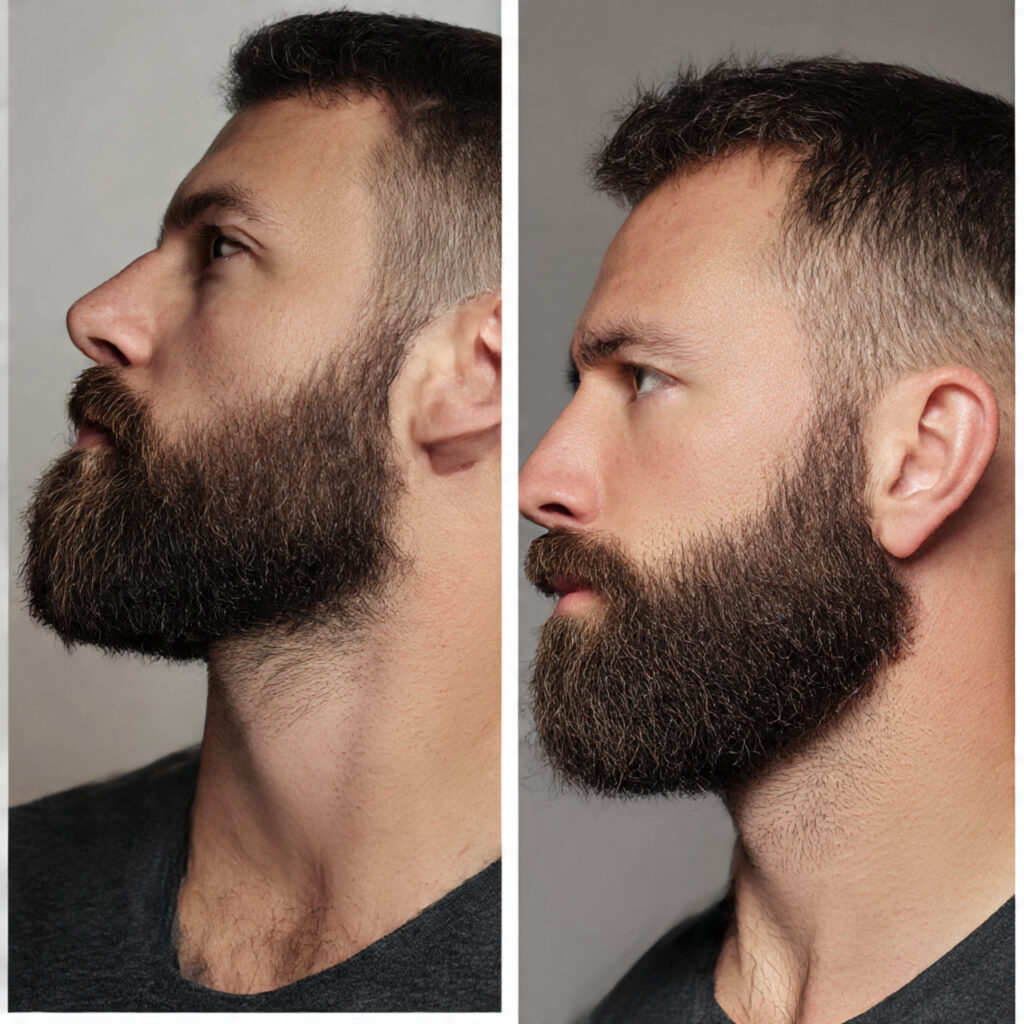
The Strap Beard is a thin, defined line of hair that runs along the jawline, resembling a strap. While it requires a precise hand, it’s a brilliant stylistic choice for creating a clear, artificial jawline. By following the natural curve of your jaw (or the curve you wish you had), this beard literally draws a new, stronger outline on your face. It’s a minimalist approach that uses a thin line to create a major impact, perfect for those with finer hair or who prefer a more unique, fashion-forward grooming statement.
This is one of the most high-maintenance styles. The “strap” itself must be kept at a very consistent, narrow width—typically no more than half an inch. The hair above the strap (on the cheeks) and below it (on the neck) must be completely shaved to maintain the stark, defining line. Using a precision trimmer and a steady hand is non-negotiable. The Strap Beard is less about adding volume and more about adding structure through a clear, graphic line, making it a truly artistic approach to facial contouring.
14. The Wolverine Beard

Inspired by the iconic X-Men character, the Wolverine Beard is a full, rugged, and slightly untamed look that projects raw masculinity. It consists of thick, heavy stubble or a short beard that is particularly dense along the jaw and chin. This density creates a dark, shadowy mass that effectively obscures the actual jawline and replaces it with a robust, powerful-looking silhouette. It’s ideal for men who have the hair density and want a no-fuss, aggressively masculine style that naturally enhances their jaw definition through sheer volume and texture.
The key to this style is managed chaos. While it appears wild, it requires maintenance to stay within the “heroic” zone and not drift into the “homeless” zone. Use a trimmer on a medium-to-low setting to maintain an even, short length all over, but avoid defining sharp cheeklines. Let the hair fade naturally. The neckline can be slightly blurred for a more natural effect. The goal is a beard that looks tough and effortless, using its inherent fullness to build a strong, defined jawline through shadow and substance.


