12 Tips for Understanding Suit Fits Every Man Should Know
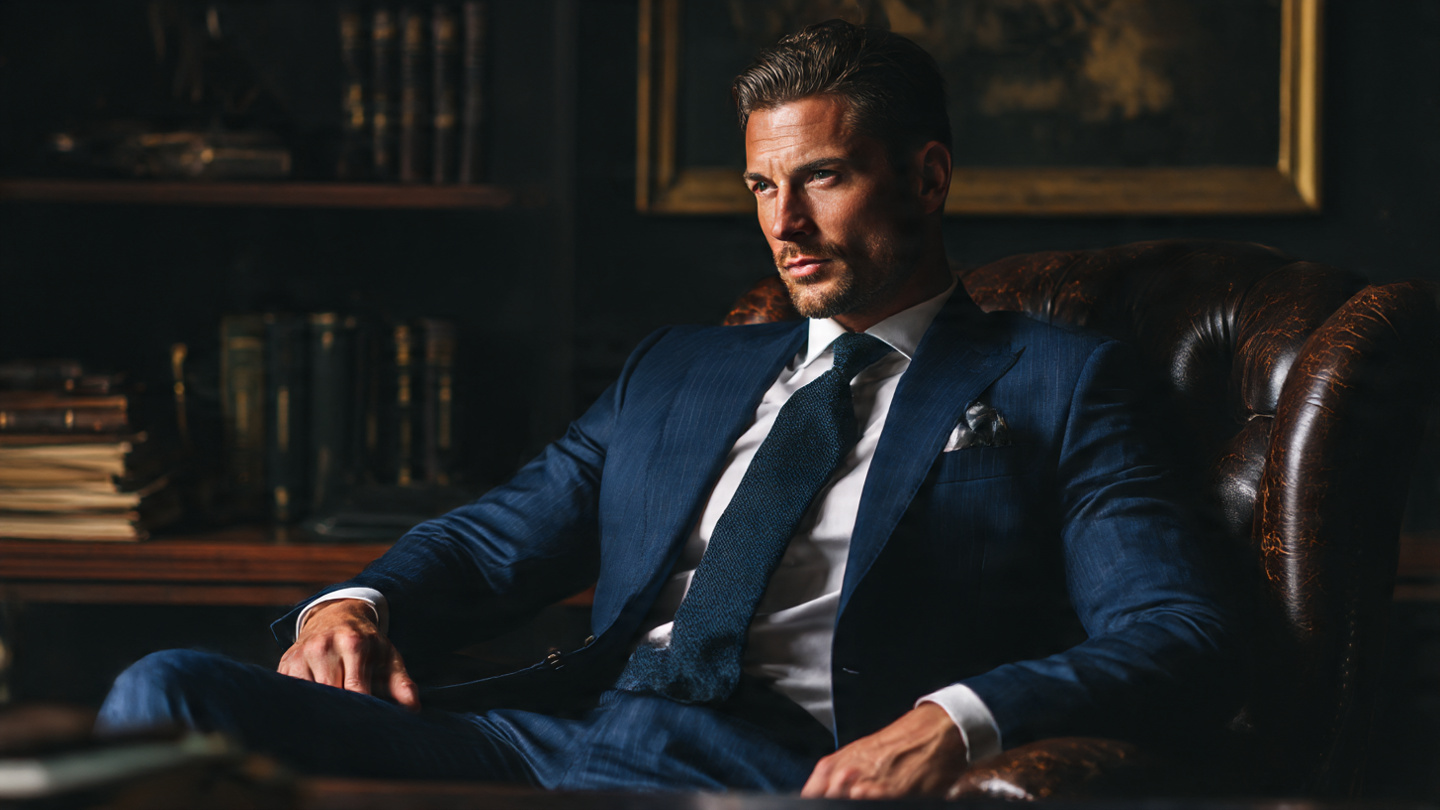
A perfectly fitted suit is the cornerstone of a man’s style arsenal. It’s not about the price tag or the brand, but how it contours to your body, creating a silhouette of confidence and sophistication. Whether you’re shopping for your first suit or refining your wardrobe, understanding fit is non-negotiable. A great suit fits enhances your posture, defines your shoulders, and creates a clean, streamlined appearance. This guide will walk you through the 12 essential checkpoints, from shoulders to length, empowering you to look sharp, feel empowered, and make a lasting impression for any formal occasion.
1. The Shoulders Are the Foundation

The shoulder seam of the suit jacket must end exactly where your natural shoulder ends, right at the bone. There should be no excess fabric hanging over your arm or, conversely, any pulling that creates divots or wrinkles. If the shoulders don’t fit, the entire jacket is compromised. This is the most difficult and expensive area for a tailor to alter, so it is the single most important element to get right off the rack. A proper shoulder fit creates a strong, masculine frame and serves as the anchor point for the rest of the jacket’s drape.
When trying on a jacket, stand naturally and face a mirror. Run your hand along the seam from your collarbone to your arm. It should be a smooth, straight line. If you see wrinkles pointing towards your neck or the seam sags down your arm, the fit is wrong. Remember, a good salesman will tell you it can be tailored, but a true expert will tell you to find a different size if the shoulders are off. This foundational rule cannot be broken for a truly polished look.
2. Master the Jacket Length

The correct jacket length balances your proportions. A jacket that is too short looks boxy and immature, while one that is too long can make you look swamped and shorter. The classic rule of thumb is that the hem of the jacket should fall to the middle of your cupped hand when your arms are resting at your sides. This provides a timeless, proportional look that works for most body types. Another modern guideline is to have the bottom edge cover about 80% of your rear, ensuring a clean and contemporary silhouette.
Your body type can influence this slightly. Taller men might opt for a slightly longer coat to maintain balance, while shorter men should be meticulous about avoiding excess length. Ultimately, the goal is for the jacket to cleanly cover your seat. When in doubt, a skilled tailor can provide guidance, but significant length adjustments are complex. It’s always better to choose a jacket that is the right length from the start, as this is a key element in creating a long, lean line from your shoulders down.
3. The Perfect Sleeve Break

Suit jacket sleeves should end just above the hinge of your wrist, allowing about a quarter to a half-inch of your dress shirt cuff to be visible. This “flash of linen” is a hallmark of sophisticated dressing, showing attention to detail. The sleeve should taper slightly towards the wrist without pulling, and the break should be clean. If your jacket sleeves are too long, they will bunch up and look sloppy; if they’re too short, they make the entire outfit look ill-fitting and as if you’ve outgrown the suit.
This is one of the easiest and most common tailoring adjustments. A good tailor can shorten or lengthen sleeves, provided there is enough fabric in the hem. When getting fitted, wear the dress shirt you plan to wear with your suits to ensure an accurate measurement. The goal is a graceful, uninterrupted line from the jacket sleeve to the shirt. This small but crucial detail separates a ready-to-wear look from a custom-tailored one, proving you understand the nuances of professional style.
4. Navigating the Jacket Waist & Torso

A suit jacket should follow the natural V-shape of your torso, creating a slight suppression at the waist without looking tight. This is what gives a suit its flattering, masculine shape. When buttoned (only the top button of a two-button jacket, or the middle of a three-button), there should be no significant pulling or creating an “X” shape across the chest. Conversely, it shouldn’t be so loose that it hangs straight down like a sack. You should be able to comfortably slide your hand flat between the jacket and your chest when it’s buttoned.
The amount of suppression is a matter of personal style and current trends. A more dramatic suppression creates a fashion-forward, fitted look, while a softer suppression is more classic and conservative. Tell your tailor your preference. This adjustment is very common and can dramatically alter the jacket’s silhouette. A well-fitted waist makes your shoulders appear broader and creates a powerful, confident posture, whether you’re in the boardroom or at a black-tie event.
5. The Collar Should Hug Your Neck

The jacket’s collar must lie flat against the shirt collar all the way around your neck, with no gaping or pulling away. There should be no visible space between the suit collar and your shirt collar in the back. A gap, often called a “collar gap,” is a sure sign of a poor fit and is difficult to fix. This area needs to be smooth and seamless, creating a clean transition from your neck to your shoulders. It ensures the jacket looks like it was made for you, not just purchased off the rack.
This fit point is often overlooked but is critical for a polished back view. If the collar doesn’t sit properly, it can cause the entire back of the jacket to wrinkle and drape incorrectly. Factors like posture and shoulder slope affect this fit. While minor adjustments can be made by a skilled tailor, a significant gap usually indicates the jacket’s cut is wrong for your body structure. Always check this in the mirror and move your shoulders to ensure the collar stays in place.
6. Understanding Trouser Break

The trouser break refers to the small fold or crease that appears where your pants meet your shoes. The modern standard is a slight break or no break. A slight break means the trouser front just gently rests on the top of your shoe, creating a single small fold. A no-break means the trouser hem ends perfectly at the top of your shoe with no folding. Avoid a full break, where the fabric stacks heavily on the shoe, as it shortens the leg line and looks sloppy.
Your choice can depend on formality and personal style. A no-break offers a sharper, more contemporary and lean silhouette, ideal for slim-fit trousers. A slight break is more traditional and versatile. When getting tailored, wear the shoes you’ll pair with the suit. The trousers should have a clean, slight taper towards the ankle without being tight. This attention to the bottom half of your outfit completes the streamlined look a well-fitted suit is meant to achieve.
7. The Seat & Thigh Fit(suit fits)

Your suit trousers should drape cleanly over your rear and thighs without being too tight or too baggy. There should be no pulling across the seat, which creates horizontal tension lines, and no excess fabric that billows out or creates “whiskering” around the crotch. You should be able to move, sit, and walk comfortably. The fabric should follow your form without clinging. This area is crucial for both comfort and appearance, as a poor fit here is immediately noticeable and can ruin the clean line of the entire suit.
If the trousers are too tight, they will be uncomfortable and restrict movement. If they are too loose, they will look unstructured and old-fashioned. A good tailor can take in or let out the seat within the limits of the fabric available. When trying on trousers, always sit down to ensure they don’t become unbearably tight. The goal is a smooth, clean drape that allows for ease of movement while maintaining a sharp silhouette from the waist down to the hem.
8. The Armholes Matter More Than You Think

While often hidden, the armhole height plays a significant role in comfort and mobility. Higher armholes, where the jacket’s sleeve begins closer to your armpit, allow for a cleaner fit through the chest and better range of motion. When you raise your arms, a jacket with high armholes will move with you, with minimal pulling at the shoulders or back. Lower armholes, common in off-the-rack suits, can make the jacket feel boxy and restrict movement, causing the entire jacket to lift when you raise your arms.
Many men fear high armholes will be restrictive, but the opposite is true. They provide greater freedom and a more tailored silhouette. You should be able to comfortably hug someone or reach forward without feeling like the jacket is fighting you. While altering armhole height is nearly impossible, seeking out suits with a higher cut will instantly upgrade your comfort and style. This is a key differentiator between a standard suit and a superior one.
9. The Drape of the Back

The back of your suit jacket should be smooth and flat, with minimal wrinkling. A single center vent or side vents should lie closed when you are standing straight. If you see horizontal wrinkles across the shoulder blades, the jacket may be too tight. If there are vertical wrinkles from the shoulders down, it could be too loose or the shoulder fit is wrong. The vents should not gape open when you stand normally; if they do, the jacket is too tight through the hips.
Move around during your fitting. Reach forward slightly and then return to a neutral stance. The jacket should settle back into place smoothly. Vents are designed to provide ease when sitting or putting your hands in your pockets, but they should not be perpetually open. A clean back is a sign of a well-constructed suit that complements your posture. A tailor can make some adjustments to the back, but major issues often stem from an incorrect size in the shoulders or chest.
10. The Button Stance & Posture

The button stance—the placement of the top button—affects the jacket’s overall balance and how it elongates your torso. A higher button stance (closer to your natural waist) can make your legs look longer, while a lower one creates a longer torso line. When you button the jacket, it should feel comfortable and not force you to alter your posture. You should never feel like you have to “suck in” to button it. The fabric should be smooth across your chest and abdomen without strain.
Your posture during the fitting is key. Stand naturally, with your shoulders relaxed. A good fit will actually encourage better posture, making you stand taller and straighter. If you find yourself hunching or puffing your chest out to make the jacket look right, the fit is incorrect. The button should close easily and the lapels should lie flat against your chest. This ensures the jacket enhances your frame without compromising on comfort or natural movement.
11. Lapels That Lie Flat

The lapels of your suit jacket should lie flat against your chest without curling, buckling, or gaping away from your body. This is a sign of good construction and proper fit through the chest. When you button the jacket, the lapels should roll gracefully over your chest, not be pulled taut. If there is a gap between the lapel and your shirt, it often indicates the jacket is too small in the chest or the button stance is wrong for your body.
Pay close attention to the “roll line,” the natural crease where the lapel rolls over. It should be a soft, natural curve. Stiff, starched lapels that stand away from the body look cheap. This is largely a factor of buying a quality suit and ensuring the chest size is correct. While difficult to alter, a smooth, flat lapel is a hallmark of a superior fit, framing your face and tie neatly for a polished and professional presentation.
12. The Final Check: Movement & Comfort

A suit might feel fine standing still in front of a mirror, but the true test is movement. Before finalizing your purchase or leaving the tailor, perform a range of motions. Sit down, cross your legs, reach for your phone in your inside pocket, and mimic putting your hands in your trouser pockets. The jacket should not feel overly tight or pull across the back and shoulders. The trousers should remain comfortable at the waist and thigh. If anything feels restrictive, adjustments are needed.
Your suit is meant to be worn, not just admired. Ultimate confidence comes from knowing you look impeccable and can move with ease. Discomfort will show on your face and in your posture. A well-fitted suit is an extension of yourself—it empowers you to focus on your performance, not your clothing. This final, comprehensive check ensures your investment is not only stylish but also perfectly practical for the real world.